AUTODYSSEY
The Price of Paint
All stories

The Long Read

The Price of Paint

A respray runs from $395 to past $100,000, and the paint is the cheap part. On the price ladder, the prep labour that drives it, the rust a strip reveals, and why fresh paint on a sale car earns a gauge before admiration.

By Autodyssey Editorial TeamJuly 30, 2026 7 min read

Introduction

A respray is the one line on a restoration estimate that can read $395 or $100,000 and be correct both times. The buyer's guide in this series promised an article on why, and the answer starts with a fact the paint industry would rather show you than tell you: the paint itself is the cheap part, and almost everything you pay for happens before anyone picks up a spray gun.

You will meet the whole price ladder the first month you shop for a classic. One seller has a $600 blow-over from 2019 that photographs beautifully, another has $28,000 of receipts from a restoration shop, and a third has original paint with forty years of stone chips and no apologies. Knowing what each of those cost, and what each of them hides, is worth more than any single skill a first-time buyer can bring to a driveway.
01 / 09

The price ladder

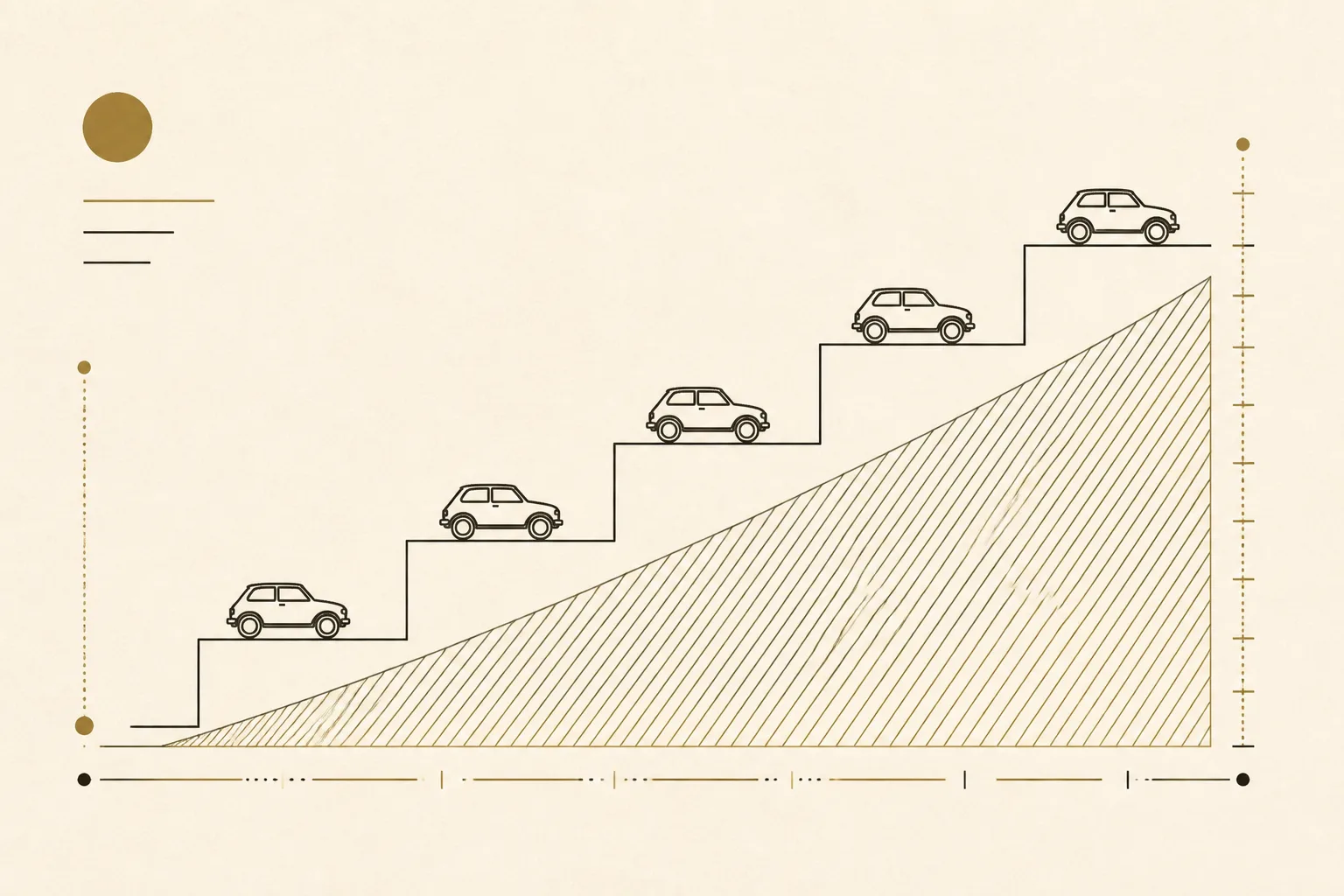
Production paint chains anchor the bottom of the ladder, and Maaco has advertised entry resprays around the $395 to $600 mark for decades. The car gets scuffed rather than stripped, trim gets taped rather than removed, and single-stage enamel goes over whatever the old surface was doing. The result looks respectable from ten feet for a few years, which is precisely the product being sold, and there is no shame in it on a $6,000 driver.

A quality respray from an independent body shop runs from roughly $3,000 to $10,000. The shop removes trim, repairs dents, addresses visible rust, primes properly, and shoots modern base coat and clear coat. Most classics that get repainted get this job, and a careful version of it can hold up for twenty years.

Restoration-grade work starts near $10,000 and commonly lands between $20,000 and $50,000 on a full classic. The car comes apart, the shell gets stripped to bare metal, the metal gets repaired rather than skimmed, and the panels get blocked flat before colour ever appears. Show and concours paint sits above that, and six-figure invoices exist because a mirror-flat finish over a fifty-year-old steel body consumes months of skilled labour that cannot be compressed.

A ladder diagram of respray tiers from a scuff-and-shoot to concours work, with the labour share widening at each step

The price ladder

The paint stays roughly the same up the ladder, and the hours underneath it do not.

Class C · AI-generated

02 / 09

Prep labour

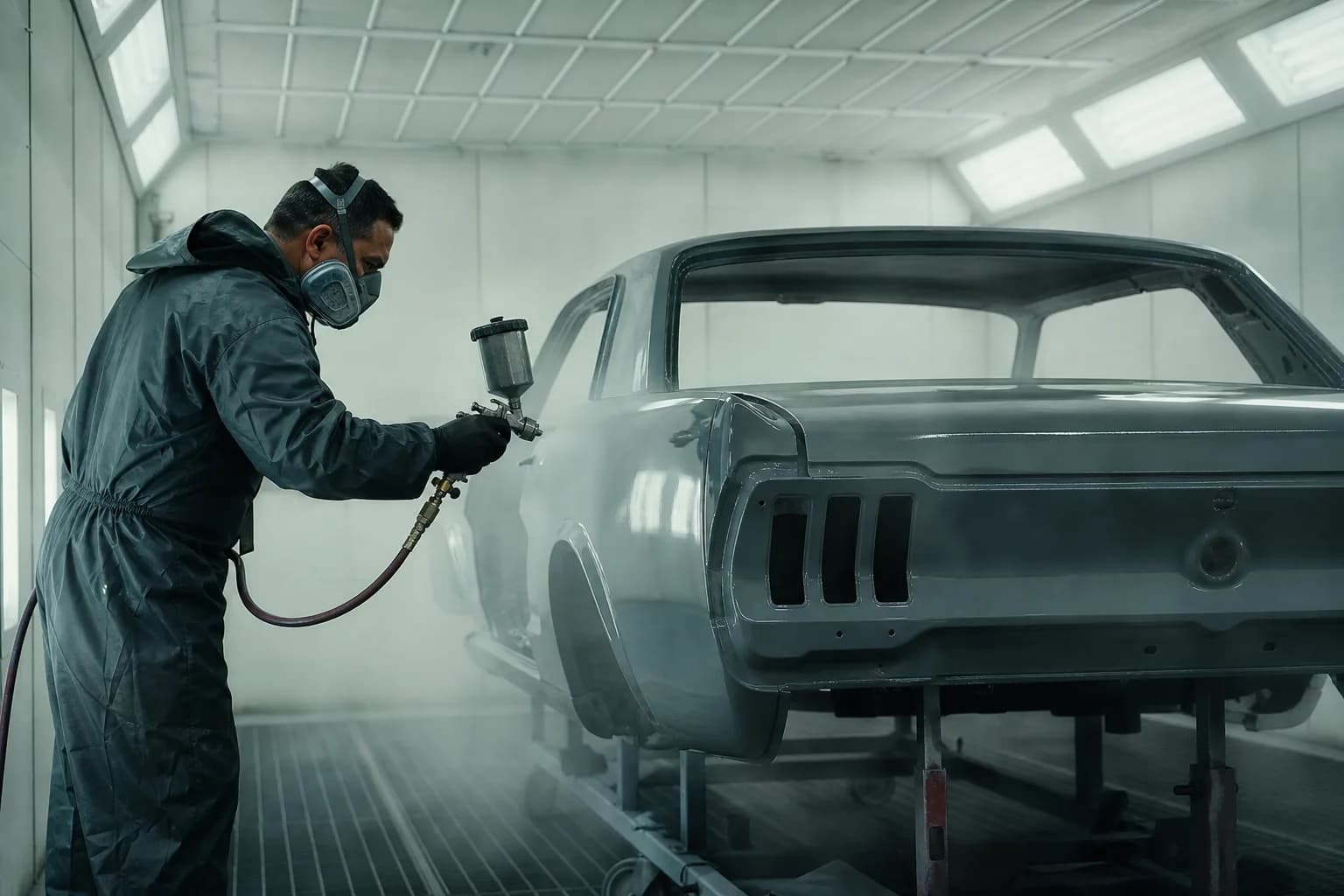
Preparation consumes most of a paint budget at every tier above the bottom rung, and shops generally put it at 70 to 90 percent of the total hours. Stripping, metal repair, priming, guide-coating, and block sanding decide whether the finish looks like glass or like a photograph of glass, because paint magnifies every flaw in the surface underneath instead of covering it.

Block sanding is where restoration paint earns its invoice. A person moves a rigid block over primer, by hand, panel after panel, until a raking light shows no waves, and on a big-bodied classic that process alone can run past a hundred hours. Machines cannot do it, because the human hand reading the panel is the tool. You are paying a wage for patience, and patience bills by the hour.

03 / 09

Materials

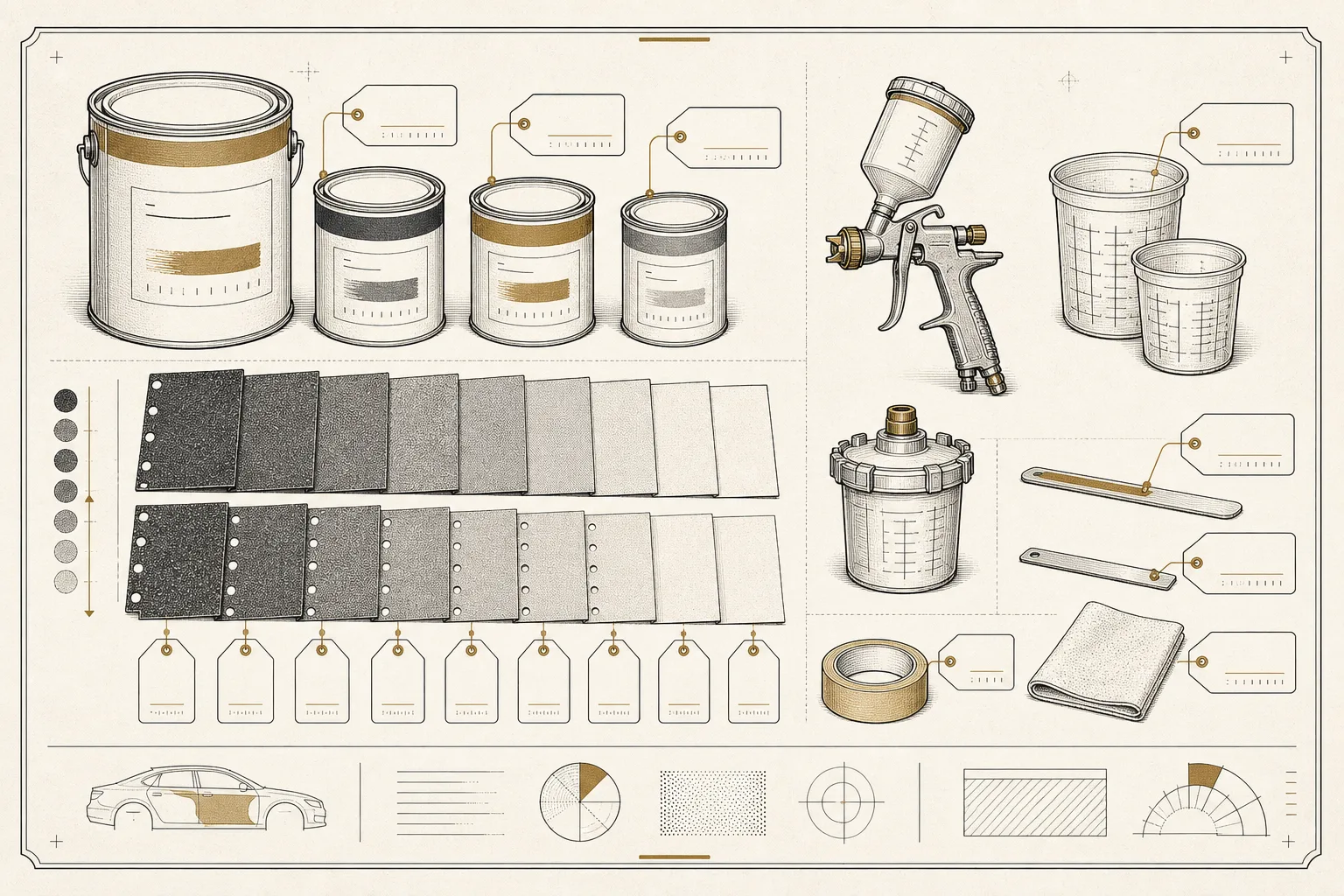
Modern refinish paint is genuinely expensive, and premium two-stage systems from the major suppliers can pass $1,000 per gallon once colour, clear, and the required reducers and hardeners are on the bench. A full respray consumes several gallons across primer, base, and clear, so a $2,000 to $5,000 materials bill is normal on quality work before a single hour of labour appears.

Single-stage paint, where colour and gloss live in one layer, costs less and suits many classics whose factories used it. Base coat and clear coat, the modern standard, buys deeper gloss and easier future repair at a higher price. Neither choice is wrong, and the correct one usually matches what the car wore when it left the factory.

A workbench flat-lay of refinish materials with cost labels, gallons of base and clear beside sandpaper grades and a spray gun

The materials bill

Colour, clear, reducers, and hardeners reach four figures before labour starts.

Class C · AI-generated

04 / 09

Rust and bodywork

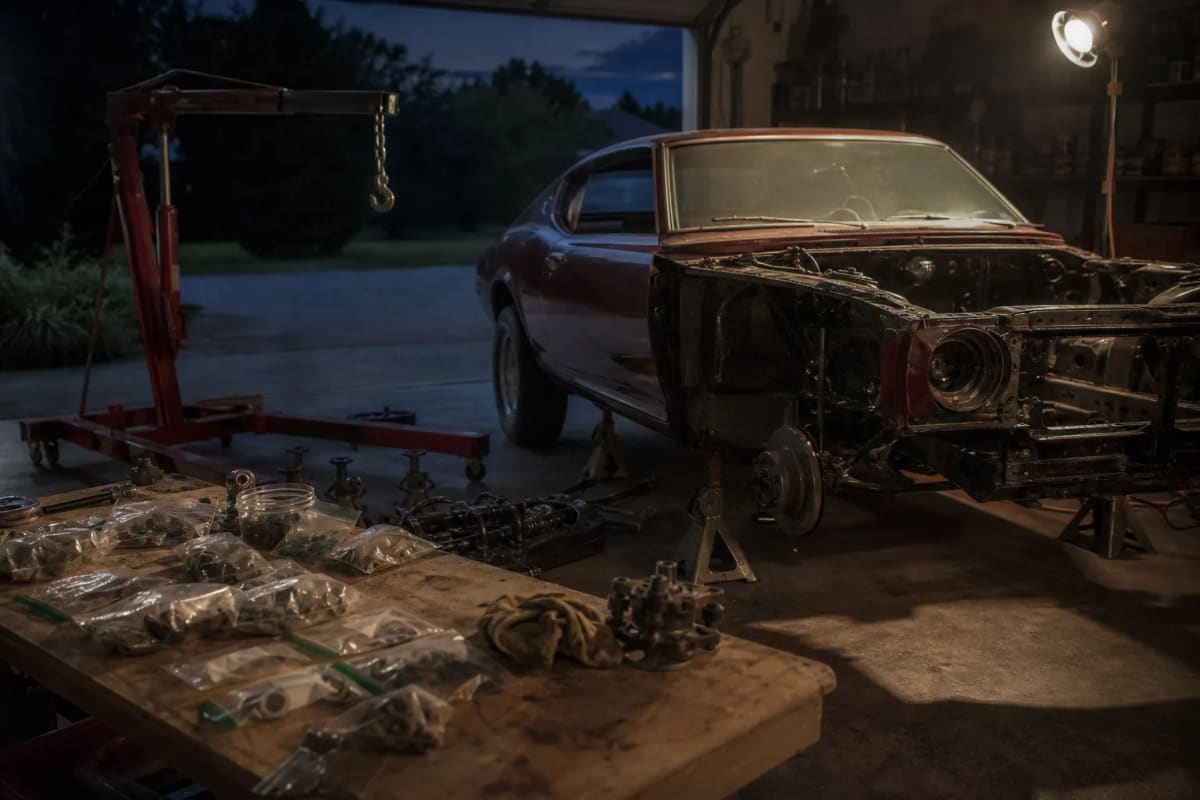
The estimate you receive is a guess until the old paint comes off, because stripping is exploratory surgery. Filler over rust, brazed seams from a 1980s repair, and rot inside the lower door skins all announce themselves at bare metal, and every discovery converts paint budget into metalwork budget at a shop rate of $75 to $150 an hour.

This is why paint quotes on classics come with the phrase "plus metal repair as found," and why a $15,000 estimate becomes a $24,000 invoice without anyone acting in bad faith. Budget a contingency of 30 to 50 percent on any strip-and-repaint of an unrestored car, and treat a clean quote on a rusty car as a warning rather than a bargain.

05 / 09

Colour decisions

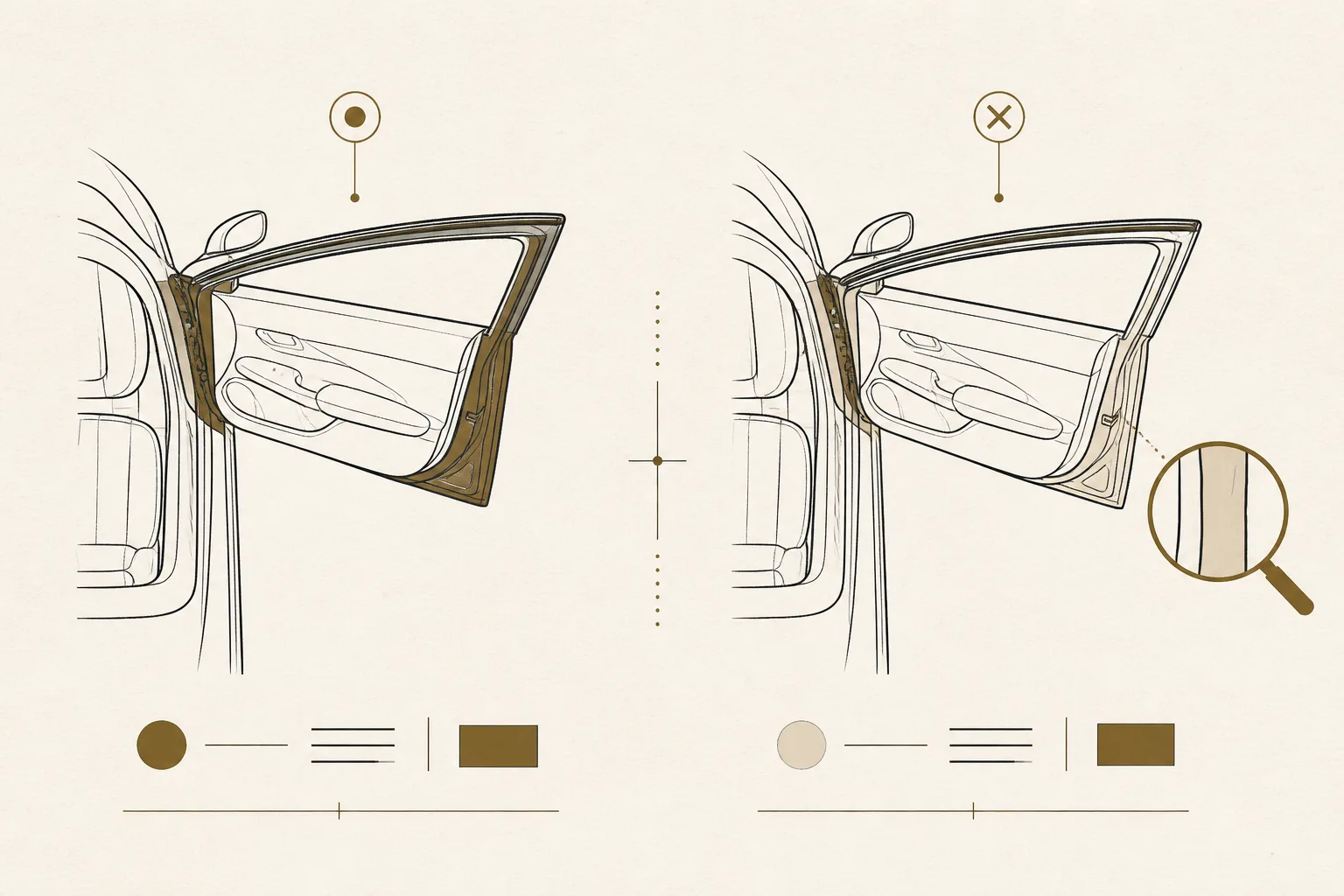
Keeping the original colour is the cheaper and usually the wiser path. A colour change obliges the shop to paint the door jambs, the engine bay, the trunk, and every edge the eye can find, which adds disassembly hours across the whole car, and an incomplete colour change reads as a red flag to every future buyer who opens a door.

Original colours also protect value on documented cars. The market pays for a classic that matches its build record, and a period-correct respray in the factory shade sits comfortably beside the receipts in a Vault record, while a modern metallic on a 1967 body asks the next keeper to pay for reversing a taste decision.

A door opened on a classic coupe showing matched paint through the jamb beside a mismatched example

The jamb check

A colour change done properly follows the paint through every jamb and edge.

Class C · AI-generated

06 / 09

Buying paint on a car

The cheapest concours respray on the market is one somebody else already paid for. Restoration invoices rarely return their cost at sale, and Hagerty's valuation writers have made the point for years: the seller who spent $40,000 on paint and metal typically recovers a fraction of it in the price. Buying the finished car captures that gap, provided the receipts document who did the work and what they found underneath.

Original paint deserves a separate word, because the market has moved toward preservation. An unrestored survivor finish with chips and fade can be worth more than a respray, since original paint is the one option no shop can sell you twice. Leave it alone until it fails at its one real job, which is keeping water away from steel.

07 / 09

Next in this series

The series continues with the project car field guide, on budgets, timelines, and the month everything stalls. What makes a great classic follows, then a look at the collectibles worth watching.

08 / 09

Sources

Maaco published service pricing on entry resprays; Hagerty Media on paint and restoration economics, preservation-class values, and cost recovery at sale; PPG and BASF refinish product pricing via distributor price lists; industry shop-rate surveys on collision and restoration labour.

09 / 09

Frequently asked questions

How much does it cost to paint a classic car?

The range runs from about $395 for an entry-level scuff-and-shoot at a production chain to $3,000 to $10,000 for a quality respray, $20,000 to $50,000 for restoration-grade work involving a bare-metal strip, and past $100,000 for concours finishes. Preparation labour, and the metal repair discovered during it, drives most of the difference.

Why is show-quality paint so expensive?

Preparation consumes 70 to 90 percent of the hours. The shell is stripped to bare metal, the steel is repaired, and the primed panels are block sanded by hand under raking light until they show no waves, a process that can exceed a hundred hours on a large classic body.

How much does automotive paint itself cost?

Premium two-stage refinish systems can pass $1,000 per gallon once colour, clear coat, reducers, and hardeners are included, and a full respray consumes several gallons. A materials bill of $2,000 to $5,000 is normal on quality work before labour.

Should I change the colour of my classic car?

Keeping the factory colour is cheaper and protects value. A proper colour change requires painting the door jambs, engine bay, and trunk, which adds substantial disassembly labour, and an incomplete change lowers buyer confidence on resale.

Is original paint worth preserving?

Often, yes. The market increasingly rewards well-preserved survivor finishes, and original paint cannot be replaced once it is gone. Preserve it until it fails at protecting the metal underneath.

Is fresh paint on a car for sale a red flag?

Treat it as one until proven otherwise. Fresh paint can conceal filler, rust repair, and accident damage, so a respray dated near the listing calls for a paint-depth gauge and a professional pre-purchase inspection.

Tags

classic car paint costresprayrestorationblock sandingoriginal paint