AUTODYSSEY
The Collectibles Worth Watching
All stories

The Long Read

The Collectibles Worth Watching

The 2026 middle market is soft while enthusiasm moves generationally: Japanese classics, vintage trucks, analog performance, and preserved originals. What the Hagerty data suggests comes next, and the warning that comes first.

By Autodyssey Editorial TeamJuly 30, 2026 7 min read

Introduction

The buyer's guide that opened this series described a market split in two, with record money at the top and the softest middle in nearly fifteen years, and this closing piece walks the shopping side of that split. The Hagerty Market Rating sat at 58.28 entering 2026 and had crept only to 59.01 by March, which reads as bad news to a seller and as a shopping window to everybody this series was written for.

One warning belongs ahead of everything below. Buy the car you want to drive, and let appreciation be the bonus rather than the plan, because the collector market has humbled every generation of speculators and the storage bill arrives monthly whether the chart cooperates or not. What follows describes where enthusiasm is moving, which is a better compass than where prices are moving.
01 / 08

The demographic turn

The buyers changed, and the market is repricing around them. Hagerty's insurance-quote data has shown Gen X and millennial enthusiasts taking a growing share of activity for years, and those buyers chase the cars from their own bedroom-wall era rather than the cars their fathers chased. The poster-car filter from the buyer's guide is the mechanism behind an entire market cycle: people buy the car they wanted at twelve, and the twelve-year-olds of 1990 now have garages.

The consequence shows up in the values. Muscle-era staples have gone flat while clean examples of 1980s and 1990s performance cars climb, and the pattern repeats one generation at a time, as predictably as the buyers age into money. The next cohort is already visible, since the twelve-year-olds of 2005 wanted Japanese tuner cars and analog German sedans, and their garages arrive over the coming decade.

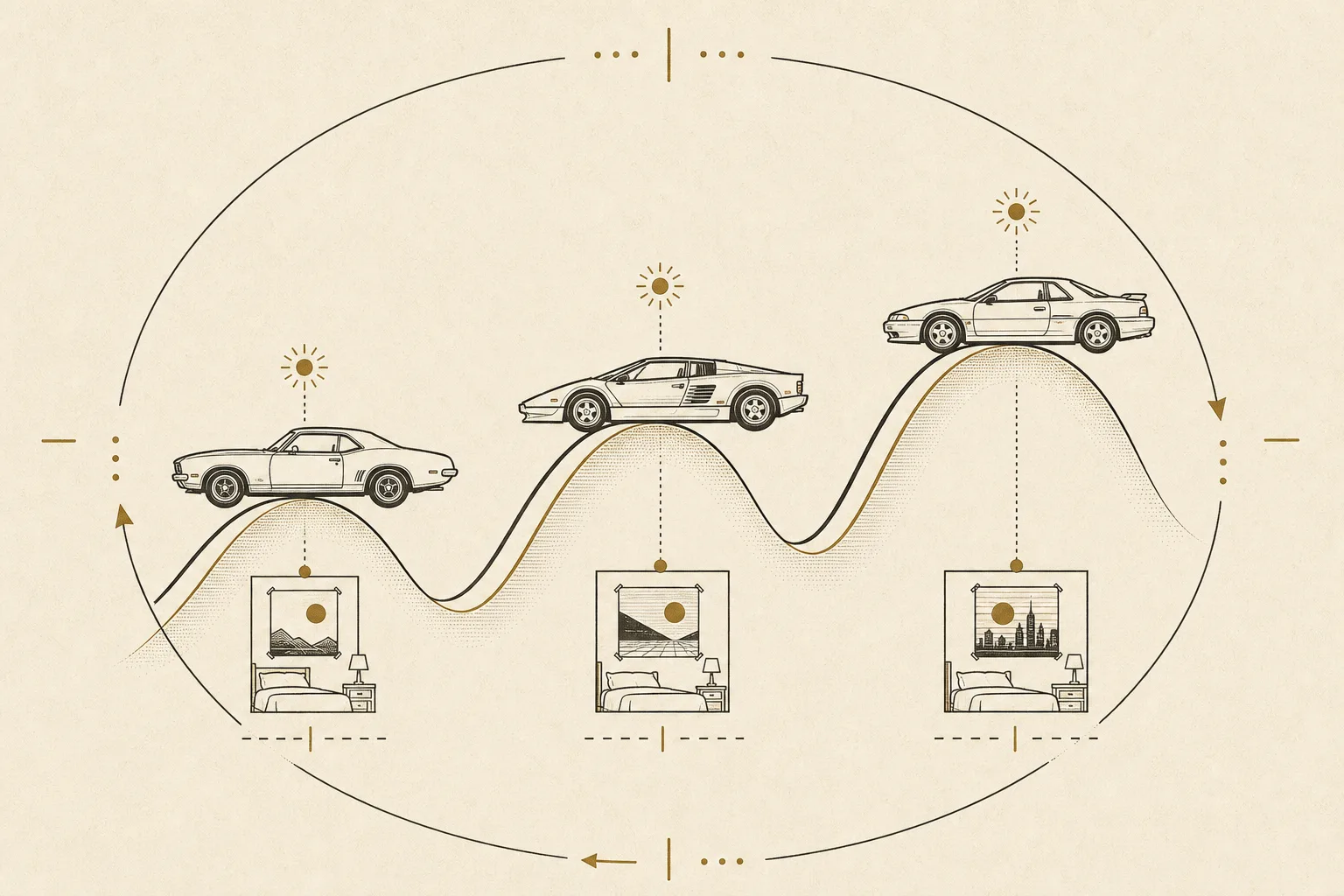
A generational chart pairing each buyer cohort with its bedroom-wall era and its buying window

The poster-car cycle

Each cohort buys its own bedroom wall about thirty years after hanging it.

Class C · AI-generated

02 / 08

Japanese classics

Japanese cars of the 1980s and 1990s moved first and furthest in this cycle. The landmark cars, the Supra, the NSX, the Skyline GT-R, and the FD RX-7, repriced years ago, and the interesting movement now sits a tier below them, in clean Miatas, MR2s, 240SXs, and the better sport compacts, where unmodified survivors have become the scarce commodity. Modification culture consumed most of these cars when they were cheap, so originality carries a premium the muscle-car world would recognise.

The 25-year import rule keeps feeding the segment, since every January makes another model year of Japan-only machinery legal to bring into the United States, and the importation pipeline has become an established industry. A first-time buyer gets the same advice here the series opened with: buy the running, documented example, because a tired import with an unverifiable odometer is a project car with a shipping bill attached.

03 / 08

Trucks and SUVs

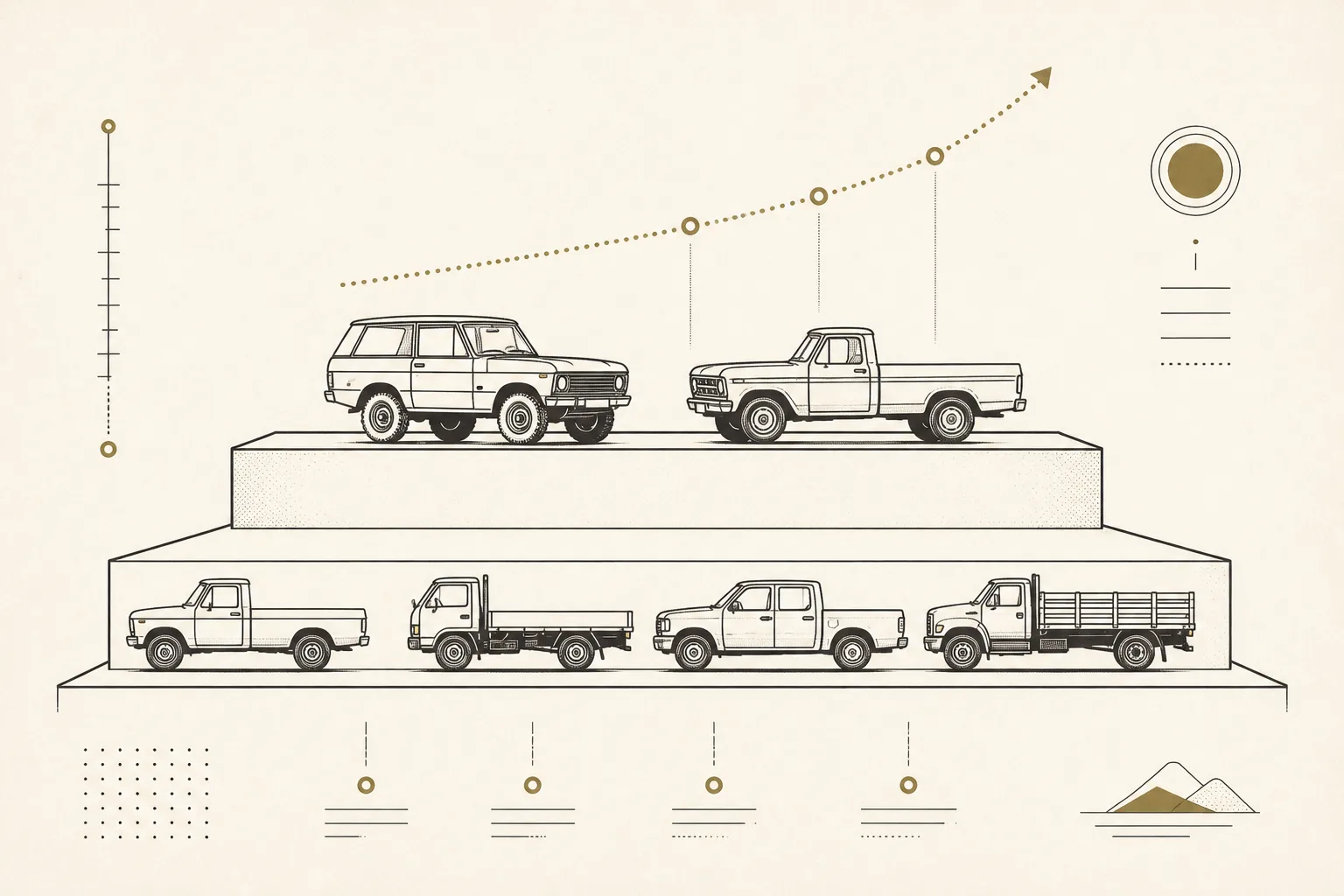
Vintage trucks and SUVs converted from work tools into blue-chip collectibles inside fifteen years, and the move looks durable rather than fashionable. Early Broncos, FJ40 Land Cruisers, and square-body pickups now anchor auction catalogues, restomod builders charge six figures for the best of them, and Hagerty put the 1983 to 1997 Defender on its Bull Market List, as the buyer's guide noted while warning about the comfort. Utility bought them their second life, since a collectible you can load at a lumberyard fits the way younger buyers use vehicles.

The affordable end of the segment still exists. Later Land Cruisers, first-generation Tacomas and 4Runners, and ordinary two-wheel-drive pickups trail the icons by years in the price cycle, and sound driver-grade examples remain findable, which is the segment's real news for a reader of this series. Rust decides everything on a working truck, so the inspection guide earlier in this series applies with the flashlight aimed at the frame.

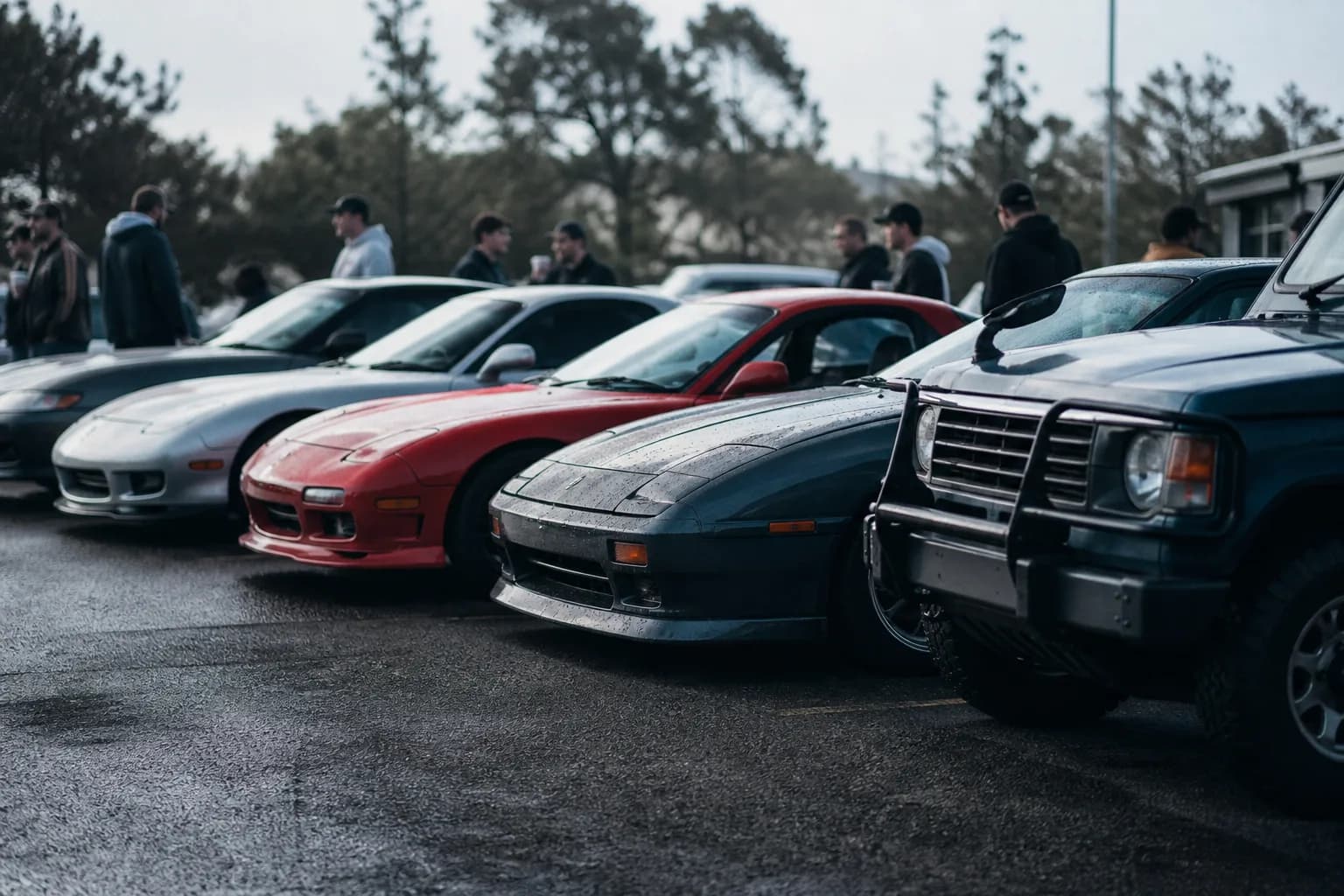
A field lineup of collectible utility vehicles from icon tier to driver tier with the price cycle marked

The utility tiers

The icons repriced first, and the driver-grade tier behind them is where the window sits.

Class C · AI-generated

04 / 08

Analog performance

Cars offering a manual gearbox, hydraulic steering, and no electronic mediation have become their own category, priced on a trait the industry stopped building. The market noticed when analog-era Porsches and Ferraris broke away from their electronically assisted successors, and the pattern has spread down-market to hot hatches, sport sedans, and roadsters whose entire appeal is the direct mechanical connection this series praised in the piece on what makes a great classic.

Scarcity here is structural rather than nostalgic, because no factory will make more analog cars, and each year of attrition shrinks the supply while driver-focused buyers multiply. The practical version of the thesis for a first-time buyer costs four figures, since a clean Miata or an E36-era BMW delivers the analog experience the expensive cars are being priced on.

05 / 08

Preservation and originality

Original, unrestored cars became a collecting category of their own, and the trend runs through every segment above. Concours circuits added preservation classes, auction catalogues advertise original paint the way they once advertised fresh restorations, and the market has internalised the line every keeper eventually learns, which is that a car is only original once. The change favours the patient first-time buyer, because an unrestored survivor with records now competes on even terms with shinier restorations.

The trend also rewrites the maintenance mission. Keeping a survivor original means documenting rather than replacing, conserving rather than refinishing, and building exactly the record this series has recommended from its first installment, which brings the whole series back to where it started: the car is a record with a chassis underneath, and the keeper who maintains the record is holding the asset the market is learning to price.

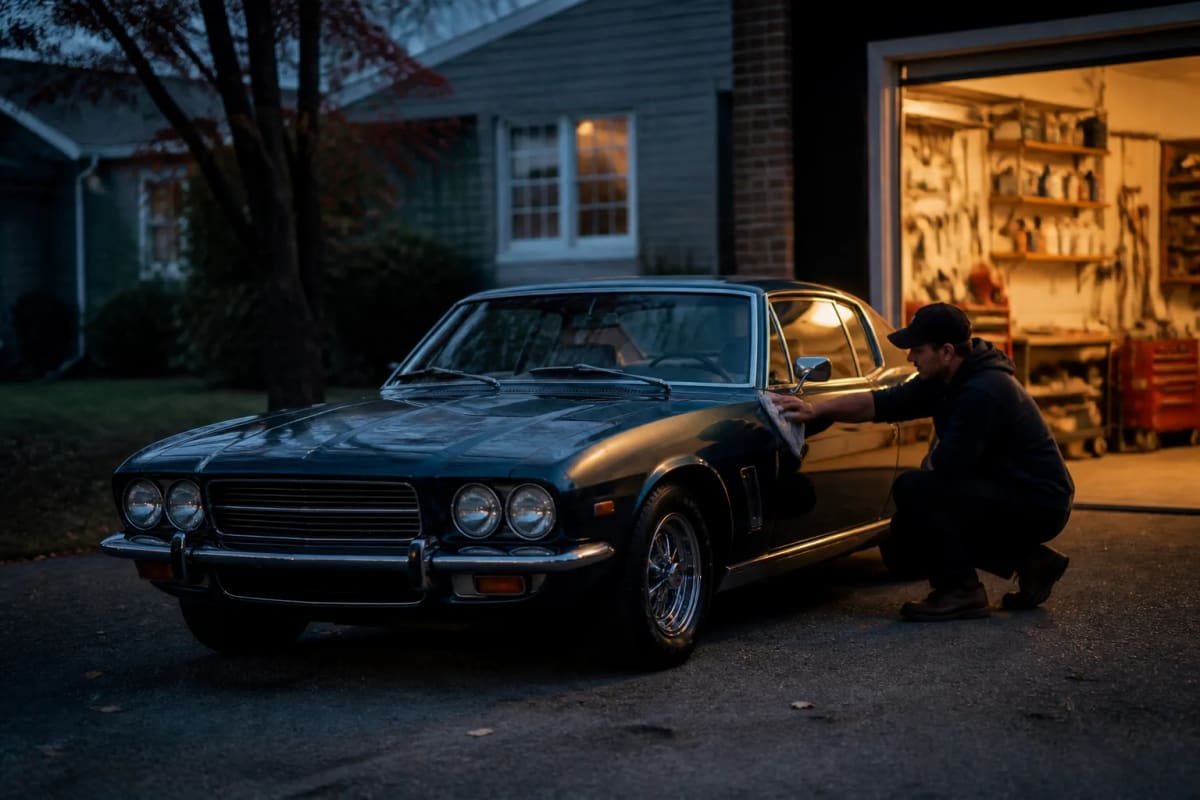
A preserved survivor coupe on a concours lawn with its original paint and a documentation binder open on a table beside it

The preservation class

The unrestored car and its paperwork now compete on even terms with fresh restorations.

Class C · AI-generated

06 / 08

The closing advice

The series ends where it began, with the same instruction wearing market data as support. Buy the car that connects to you, buy the one that runs, verify it with an inspection, keep it running, and write everything down, because every trend on this page rewards exactly that behaviour and punishes its opposite. The soft middle market of 2026 is a gift to the buyer who wants a classic to keep, and the flippers can have whatever is left.

Start your car's record in the Vault

07 / 08

Sources

Hagerty Media on the Market Rating, insurance-quote demographics, the Bull Market List, and preservation-class trends; auction results from Mecum, Barrett-Jackson, and Bring a Trailer on Japanese, truck, and analog-era segments; National Highway Traffic Safety Administration rules on 25-year vehicle importation; earlier entries in this series on the 2026 market split.

08 / 08

Frequently asked questions

What classic cars are increasing in value in 2026?

Enthusiasm is concentrated in 1980s and 1990s Japanese performance cars, vintage trucks and SUVs, analog-era driver's cars with manual gearboxes, and well-documented original survivors. The broad middle market remains soft, with the Hagerty Market Rating near its lowest point in almost fifteen years.

Are classic cars a good investment?

Treat them as a hobby with residual value rather than an investment. Ownership costs including storage, insurance, and maintenance run continuously, and market cycles have repeatedly caught speculators. Buy a car you want to drive and let any appreciation be a bonus.

Why are Japanese classics from the 1990s so expensive?

The buyers who grew up wanting them reached their peak earning years, and modification culture consumed most clean examples while the cars were cheap. Unmodified, documented survivors are scarce, and the 25-year import rule adds demand for Japan-market models each year.

Are old trucks and SUVs collectible?

Yes. Early Broncos, FJ40 Land Cruisers, and square-body pickups now anchor major auctions, and the Defender appeared on Hagerty's Bull Market List. Later, driver-grade utility vehicles trail the icons in price and remain attainable, with frame rust as the deciding condition factor.

What is an analog car?

A performance car with a manual gearbox, hydraulic or unassisted steering, and minimal electronic intervention. The industry no longer builds them, so supply only shrinks, and the trait now carries a market premium from six-figure Porsches down to ordinary roadsters.

Is an unrestored original car worth more than a restored one?

Increasingly, well-preserved originals compete evenly with restored examples and sometimes exceed them, because originality cannot be recreated. Concours preservation classes and auction results both reflect the shift, and documentation strengthens the premium.

Tags

collectible cars 2026Hagerty Market RatingJapanese classicsvintage trucksanalog cars
The Collectibles Worth Watching in 2026 | AUTODYSSEY