
Advocacy · Minnesota
Sorry, it's a Tuesday
The open road, that last great democracy of tarmac and possibility, apparently keeps office hours now.
The complaint
A woman with a clipboard somewhere in the Minnesota State House has decided that a warm Tuesday evening is the wrong time to drive your own car, and she has gone to the considerable trouble of writing that opinion into a bill.
Picture the offense in full, because it is a beauty. The light goes gold over the lake, the old car is running sweetly for once in its cantankerous life, you ease it out for a slow loop with the windows down and nowhere in particular to be, and a bill moving through the state legislature this spring would quietly file that drive somewhere between a parking violation and a minor moral failing.
I keep old cars, and old cars teach a man one lesson long before they teach him any other, which is that they have to run, that a classic left to stand in a garage spends the idle months digesting itself from the seals outward, souring its fuel, seizing its brakes, and flattening its tires, and that the only medicine anyone has ever found for the condition is a set of keys, an open afternoon, and the discipline to use them.
So classify my car however the statute books please. Give it a category, stamp it with a special plate, write it into law in triplicate, and file it under whatever Latin makes everyone in the room feel important, and I will nod along and pay the fee, because I understand that property needs sorting and somebody has to do the sorting.
The day a government starts telling me which afternoons I am permitted to drive the thing I already own, in daylight, on a weekend, with a permission slip for anything that smells of spontaneity, that is the day I plant my oily boots in the committee room and refuse to be moved.
Picture the offense
A slow loop with the windows down and nowhere in particular to be, filed somewhere between a parking violation and a minor moral failing.
The bill
What Minnesota actually proposed
The bill carries the unromantic name HF 3865, it arrived this spring courtesy of a single legislator out of St. Paul, of all the places it might have come from, a city whose driveways and side streets and weekend gatherings are about as devoted to old metal as anywhere in the upper Midwest, and it now sits in the House transportation committee, which is the legislative equivalent of a waiting room where a great many bills go in and a merciful number never come out.
What it proposes, underneath the technical language, is to gather every collector class Minnesota recognizes, the pioneer cars and the classics, the street rods and the military vehicles and the wheezing old motorcycles, and herd them all under one tidy rule about when their owners are allowed to take them out.
That rule would permit a collector-plated vehicle onto public roads during daylight hours on Saturdays and Sundays, along with the occasional sanctioned outing to a show, a parade, or an organized club event, and it would leave everything else, the Wednesday errand, the long summer evening, the unplanned cruise that is the entire point of owning the car, sitting outside the fence with no clear protection at all.
Minnesota has always handed these plates out cheap, a one-time twenty-five-dollar tax and a plate fee and then never another renewal as long as the car draws breath, and that generosity always came bundled with a single understanding, that the car is a hobby and not your daily ride to the office. HF 3865 takes that gentle understanding, the kind that lived comfortably on a handshake for decades, and hardens it into a calendar with teeth.
Outside the fence
The bill would leave weekday driving, the Wednesday errand and the long summer evening, sitting outside the fence with no clear protection at all.
It hardens a handshake into a calendar with teeth.
HF 3865 · Minnesota House transportation committee
The other side
The state's case, and where it cracks
The state has a reason for all this, and fairness demands it be said plainly and without a sneer, because collector plates are a discount and a discount is catnip to the sort of person who games things. There are people who slap a collector plate on an ordinary daily driver to dodge the regular fees and inspections the rest of us pay without much complaint, the state would dearly like that little dodge to end, and drawing a bright line around what counts as collector use is one sensible way to protect the program. That much is fair, and I will defend it at the bar to anyone who asks.
The trouble lives entirely in the line they have chosen to draw, because a rule that blesses only weekend daylight takes thousands of ordinary, harmless, faintly joyful acts of ownership and quietly reclassifies them as infractions.
You drive home from the body shop on a Wednesday to make sure your own repair actually holds, and the statute calls you a violation. You load the grandkids in for ice cream on a soft July evening, and the statute calls you a violation again. None of that is the abuse the bill claims to be hunting, and the law would treat all of it as suspect anyway.
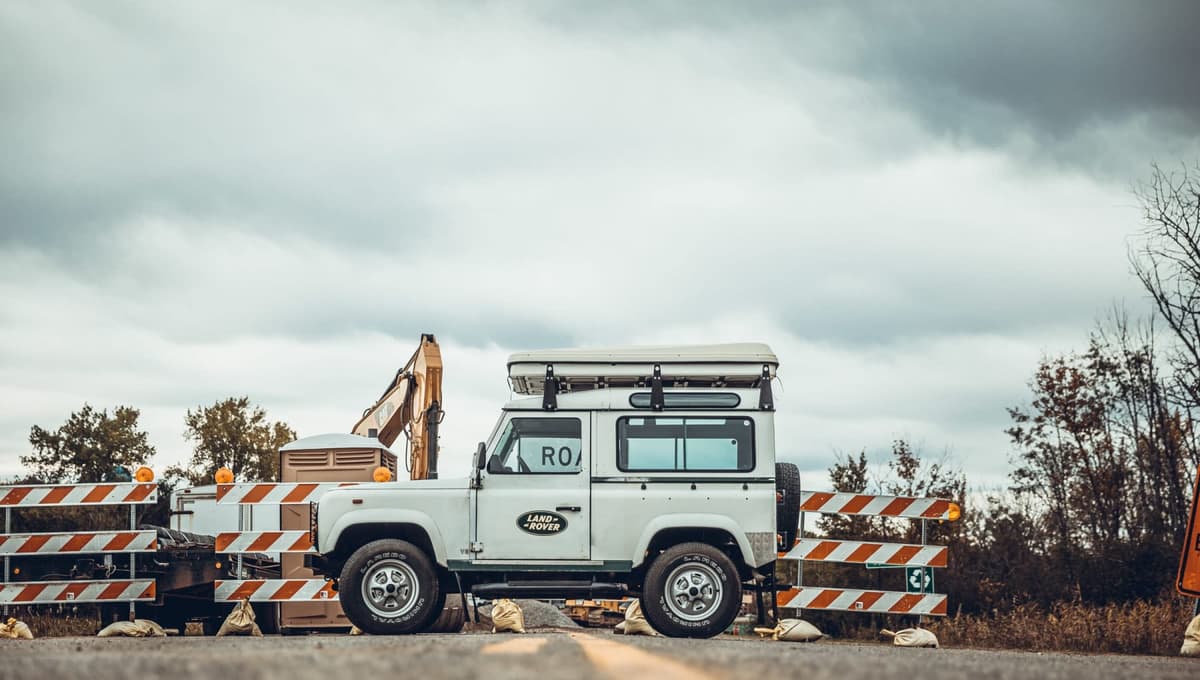
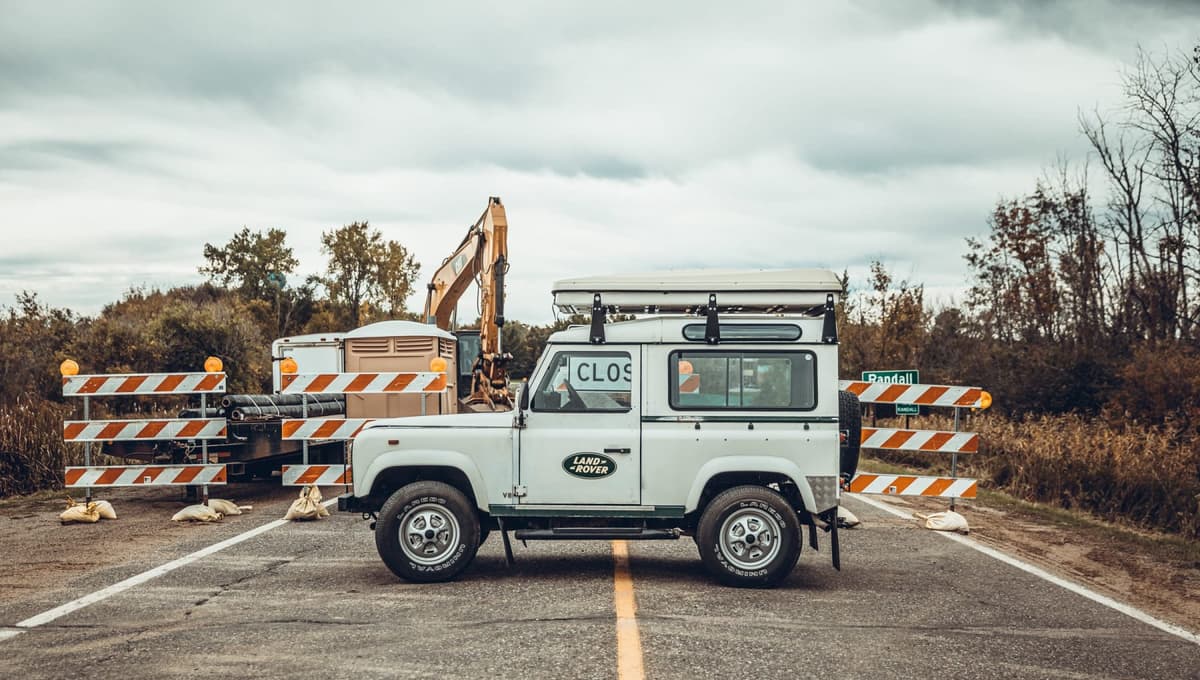
Road closed
A metaphor that does not need laboring.
A car has to run to stay alive
They perish from sitting far more reliably than they perish from driving. The garage is the dangerous place. The road is the safe one.
The cruelest joke
A car has to run to stay alive
Rubber seals dry out and crack while the car does nothing at all. Fuel turns slowly to varnish in the lines. Brakes seize, tires settle into flat spots they never quite forget, batteries surrender in the dark, and the whole proud machine eases itself, week by idle week, toward an expensive restoration that a few unhurried miles would have spared it entirely.
The only cure anyone has ever discovered is motion, the plain act of driving the car the way it was built to be driven, keeping it warm and wet and turning and catching the small troubles while they are still small enough to fix with a weekend and a swear word.
A law that decides for you when those drives may happen is a law that makes the keeping of these cars harder and dearer, which is a peculiar thing to do to the very machines a collector program stands up and claims to be protecting.
Two states, two directions
Same hobby, opposite leashes
California · Leno's Law
Loosen the leash a notch
The one state nobody has ever accused of going soft on the motorcar is easing the smog-check burden on qualifying older collector cars, on the obvious logic that a vehicle driven a few hundred miles across a whole year is not the thing choking the sky.
Minnesota · HF 3865
Reach for a shorter one
The same kind of car, penned into weekend daylight and a short list of sanctioned events. Two governments pointed in flatly opposite directions, which tells you this is a choice somebody is making on purpose rather than a law of physics nobody can help.

Patient as stone
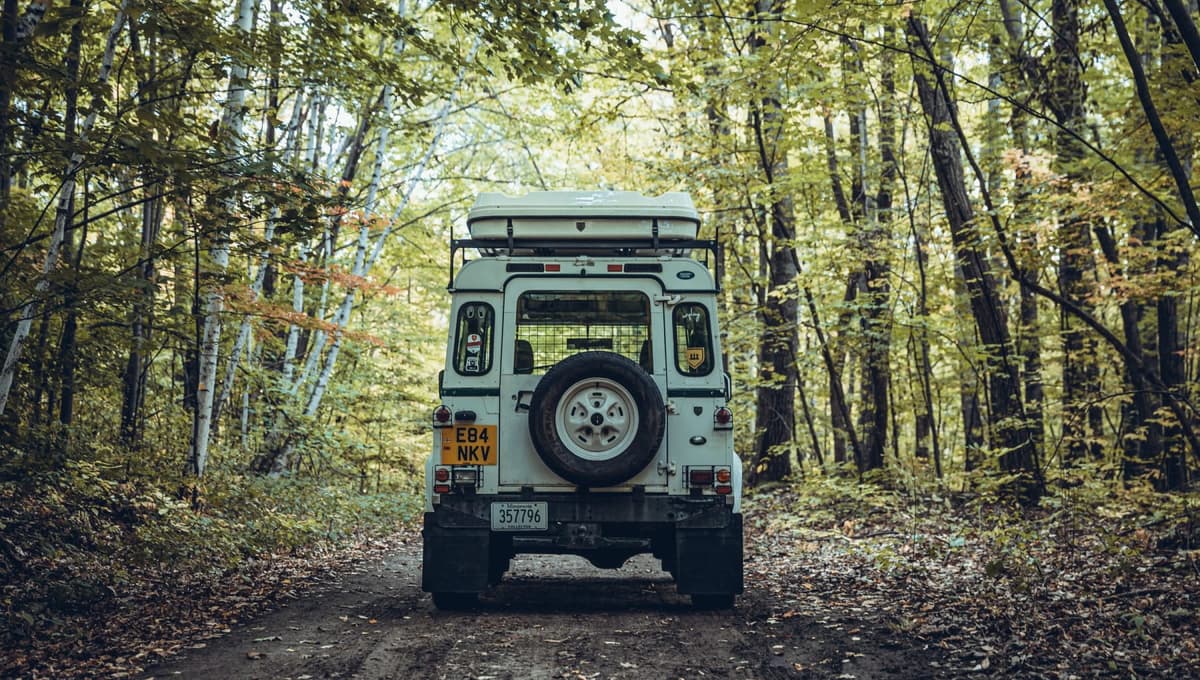
Head-on in a forest tunnel, leaves overhead, waiting for an afternoon it is allowed to have.
The precedent
Why a bill in Minnesota lands in your driveway
You might be reading this a thousand comfortable miles from St. Paul, with no dog in this particular fight and no intention of acquiring one, and I am sorry to report the fight has gone and found a dog with your name on it anyway.
State legislatures borrow from one another with the shameless enthusiasm of schoolboys copying homework, and a clause that survives its first committee in one capitol has a way of turning up word for word in the next, so the moment a single state commits to paper the notion that acceptable use of an old car means weekend daylight and a short list of sanctioned events, that definition stops being a Minnesota problem and becomes a template sitting on a shelf in fifty statehouses.
The precedent setting quietly underneath the penalty was always the real danger here, because a government that wins the power to decide which days you may drive a car you have paid for in full has won a power it can widen later at its leisure, through an amendment here and an enforcement memo there, long after the reporters have wandered off to the next thing. That is the ground worth holding now, while the cement is still wet and a few loud keepers can still leave a bootprint in it.
Where the cement is still wet
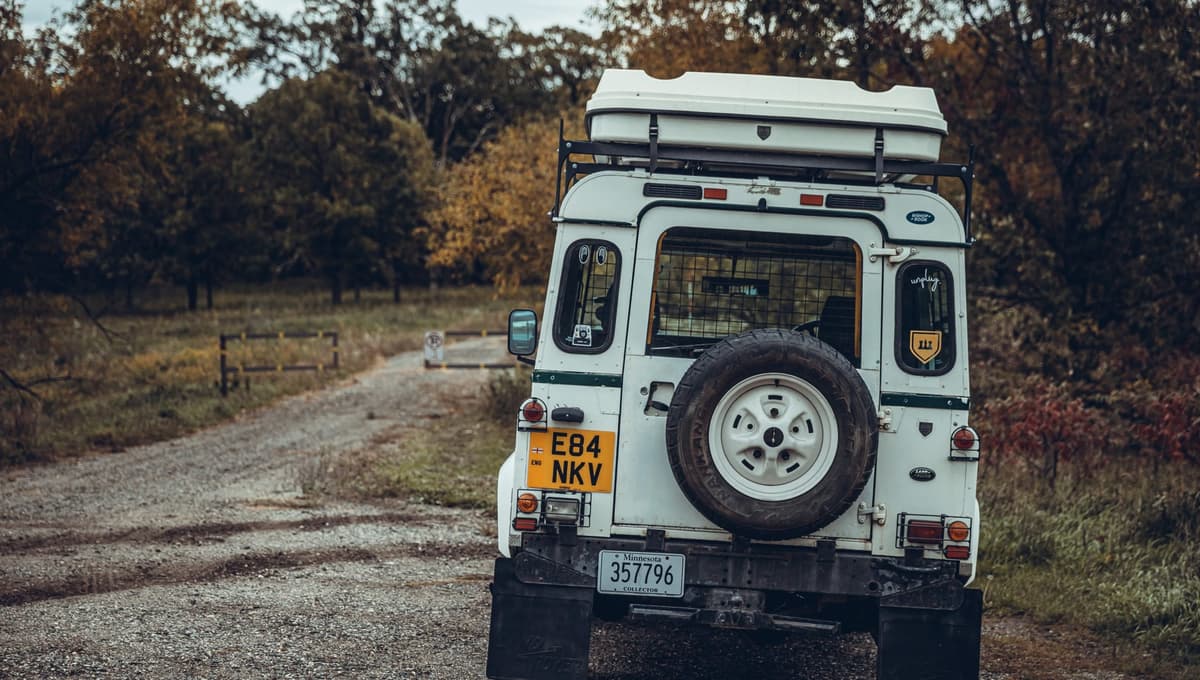
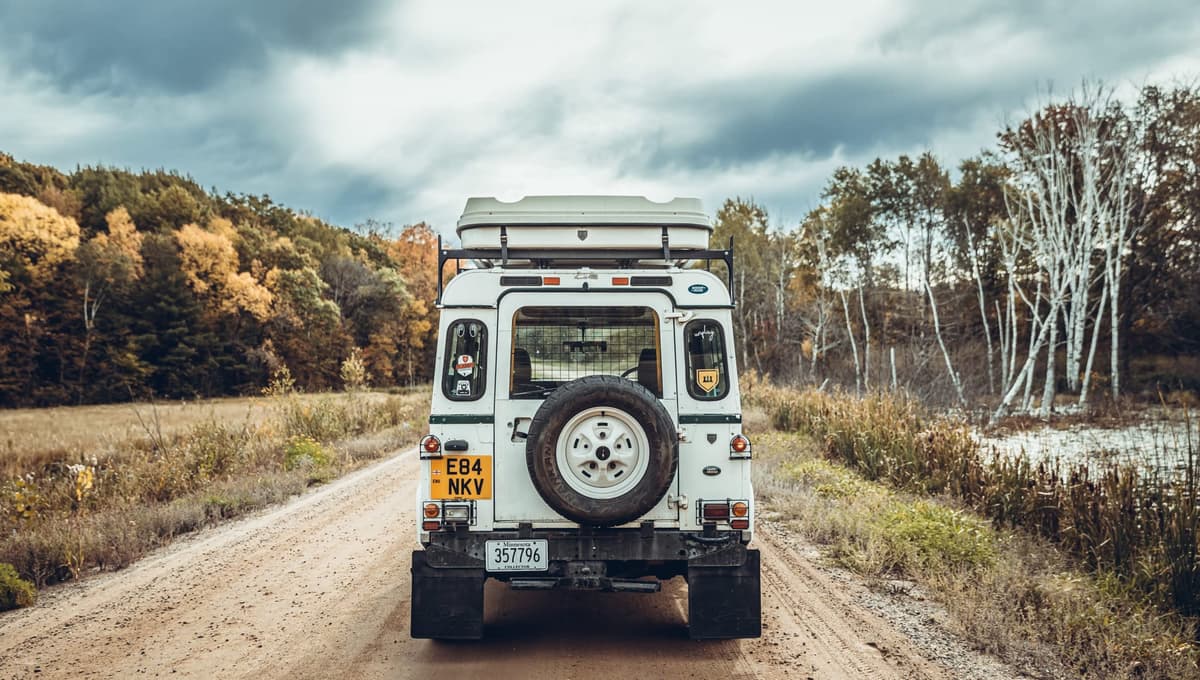
From behind on an autumn dirt track, birch bare on the right, colour still blazing on the left. The precedent is set quietly, underneath the penalty.
The defense
Classify it, document it, then show up
Here is where a proper record stops being a hobbyist's indulgence and starts being armor. A car that carries its whole story written down, its history and its genuinely low mileage and its rightful place in whatever collector class it belongs to, is a car you can defend across a counter when a clerk, a constable, or a committee decides to squint at it, because paper outlasts argument.
That defense is the quiet work we built Autodyssey to do. A well-kept collector car, recorded and provable and whole, is harder to misclassify, harder to wave away, and far easier to keep where it belongs, which is out on the road on a Tuesday. Documentation wins the argument on paper, and showing up at the committee wins it in the room.
The Vault
Keeps the record permanent and growing.
Provenance Score
Climbs with every entry you add.
Vehicle Passport
Proves the car is exactly what you swear it is.
Ancestry
Threads every owner's chapter back to one VIN.
A perfectly American tableau
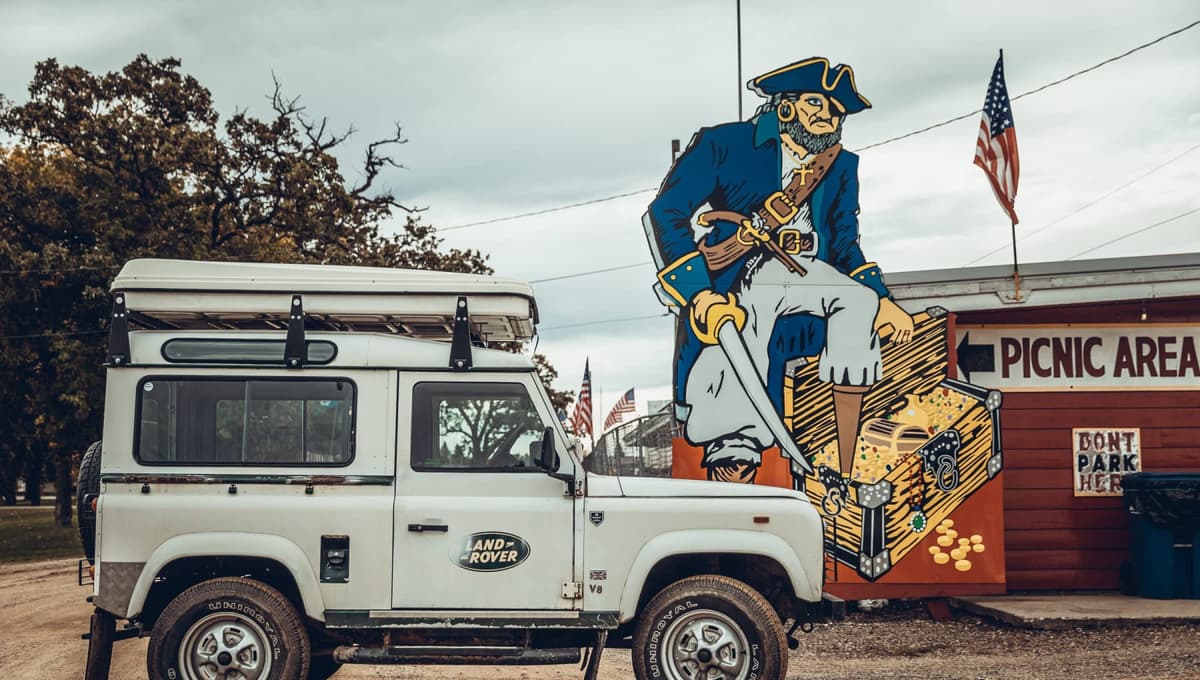
Parked beside an outsized painted pirate at a roadside stop, exactly the sort of place a free afternoon takes you.
Sign the petition
A car you own is a car you are allowed to drive, on a Saturday or a Tuesday, in bright noon or full dark.
We want collector classes that guard old cars from genuine abuse without sentencing the innocent ones to house arrest, rules drafted with real owners in the room rather than around them, and the plain, stubborn, slightly magnificent freedom to take the old car out on a warm Tuesday evening for no better reason than that it runs and the light is good. A car permitted to move only on the days a statute happens to allow is a car you are renting back from the state one weekend at a time, and we intend to keep ours.