
AUTODYSSEY

The Year You Were Born · Issue 1969

The cars of 1969, and the one at the peak of American muscle

The muscle car reached its highest horsepower figures and its widest model range in 1969. Within two years the combination of insurance actuaries, emissions regulations, and rising fuel prices would end the era. 1969 was the summit.

Series
The Year You Were Born
Issue
Vol 01 · 1969
Topic
Automotive Archaeology
Length
~12 min read
Start reading ↓
01 · The Year

The year everything that came after was measured against

1969 was the year of Apollo 11, Woodstock, and the Dodge Charger Daytona, which gives you a reasonable picture of where American ambition was pointed. The muscle car was at its absolute zenith — not just in sales numbers, which were robust, but in the range of options and the willingness of manufacturers to produce genuinely extreme performance cars for street use. Chrysler put a 426 Hemi in a Dodge Dart. Chevrolet offered the L88 427 in the Corvette, an engine so radical that Chevrolet recommended against driving it on the street and priced it to discourage buyers who might try. Ford put the Boss 429 in the Mustang with less than a day of engineering clearance between the engine and the inner fenders.

The gasoline was still cheap — about thirty-five cents a gallon. The insurance companies had noticed that twenty-two-year-olds with 440 cubic-inch engines were expensive to insure, but their response was still premium-based rather than availability-based. The Clean Air Act was still being written. The first oil shock was four years away. For a brief moment — perhaps two model years — the American muscle car could be anything it wanted to be, and it wanted to be very fast and not particularly subtle about it.
Average new-car price
$3,270
Gallon of gasoline
$0.35
US cars sold
9.4 million
Historical moment
Moon landing, July 20
02 · The American Top Ten

What America bought in 1969

The 1969 American top ten is dominated by domestic iron with large-displacement V8 engines, with the notable exception of the Volkswagen Beetle — the first foreign car to crack the American top ten — which is here because American buyers had discovered that not everything needed to be enormous.

01
Chevrolet Impala / Caprice

The full-size Chevrolet was still the best-selling car in America, a position it would not finally surrender until the 1978 Oldsmobile Cutlass took it. The 1969 Impala is the last year before the Chevrolet began losing ground to the imports and to its own downsized successors. A good one today is affordable, large, and entirely unself-conscious.

02
Ford Galaxie 500 / XL

Ford's full-sizer was the Impala's constant rival and the choice of buyers who preferred Ford dealers or who had bought Fords before and saw no reason to change. The 428 Cobra Jet engine was available in the XL and delivered performance that the car's size did not suggest was possible.

03
Chevrolet Chevelle SS 396

The Chevelle SS was the mid-size muscle car that Chevrolet had gotten exactly right. The 396 cubic-inch engine was available in multiple states of tune, from the 325-horsepower base to the 375-horsepower L78, and the car was usable daily in a way that the pure race-bred options were not. The 1969 restyling was clean and purposeful.

04
Pontiac Firebird / GTO

Pontiac was operating at peak creative output in 1969. The Firebird had launched in 1967 as a response to the Mustang, and by 1969 it had found its character with the Ram Air engines and the Judge package on the GTO. The 1969 GTO Judge in Carousel Red with the Ram Air IV engine is the car that is now worth considerably more than its original buyers paid.

05
Ford Mustang Mach 1 / Boss

Ford launched three special Mustangs for 1969: the Mach 1 for the mass market, the Boss 302 for road racing, and the Boss 429 for NASCAR homologation. The Boss 429 is the most valuable. The Mach 1 is the most common. The Boss 302 is the most rewarding to drive on a winding road and the one that Trans-Am racing drivers preferred.

06
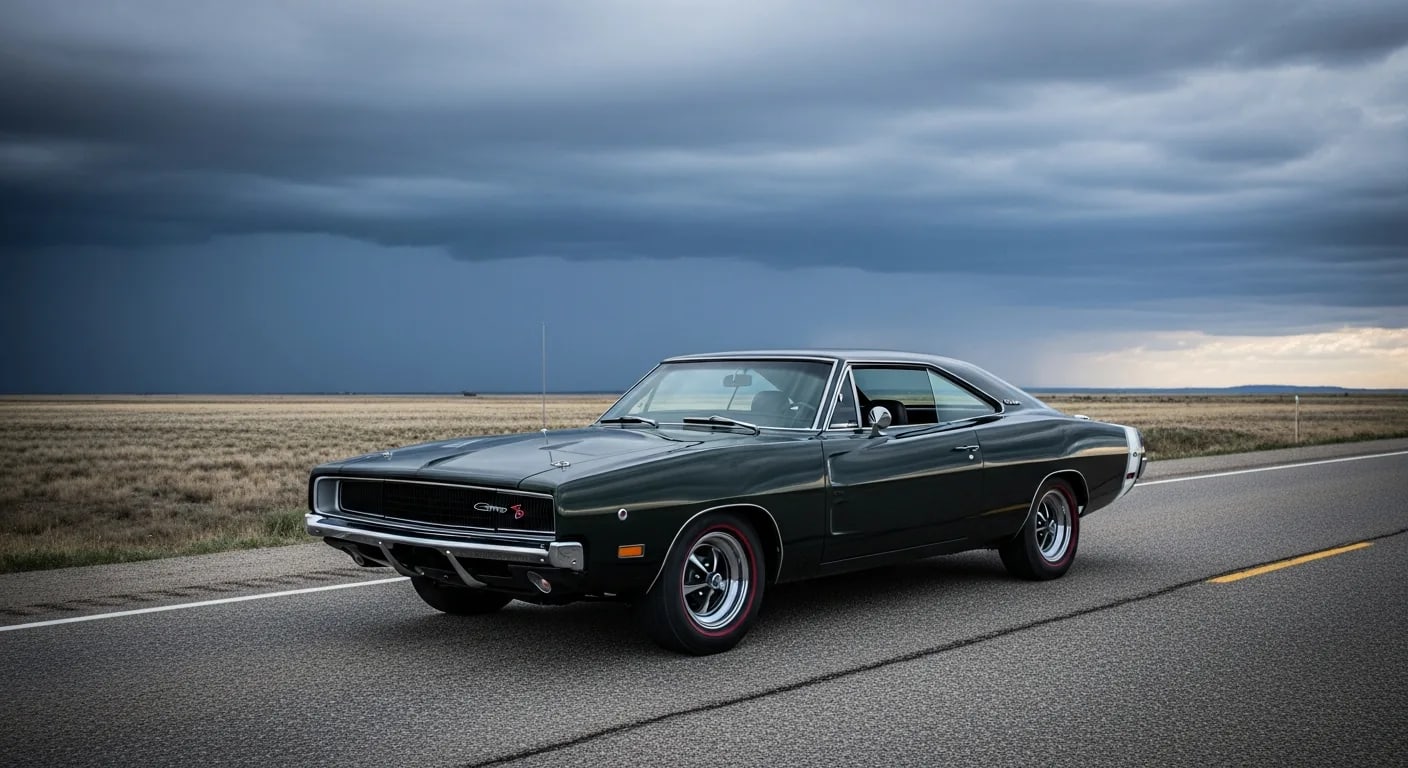
Dodge Charger R/T

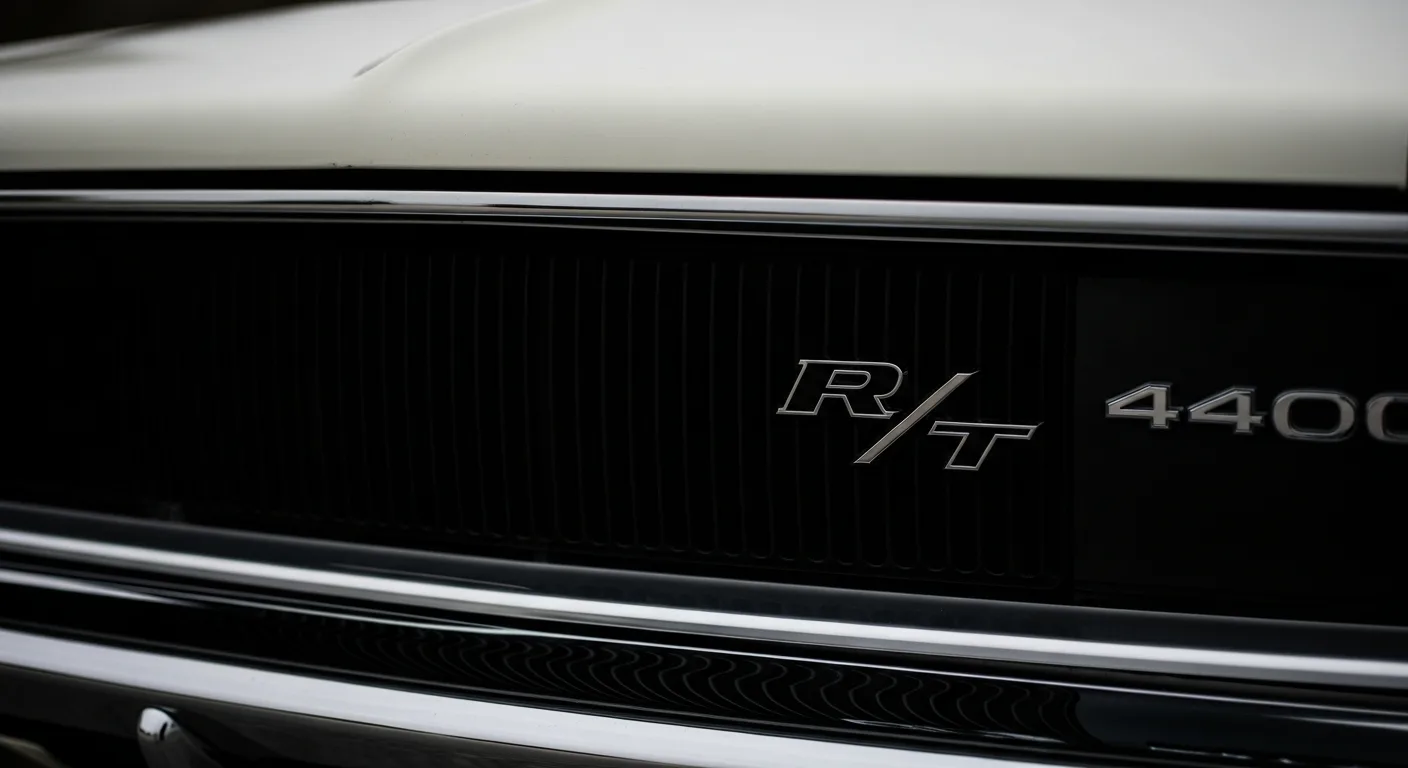
The 1969 Charger is the most recognisable muscle car from the most productive year of the muscle car era. The 440 Magnum engine in the R/T produced 375 horsepower. The 426 Hemi produced 425 official horsepower, a number that Chrysler engineers acknowledged privately was conservative. The 1969 General Lee is, of course, fictional, which has not discouraged anyone from wanting one.

07
Plymouth Road Runner

The Road Runner was the purist's muscle car — a stripper intermediate body with the maximum available engine and minimal amenities, priced to undercut everything else in the category. The cartoon bird on the horn button honked with a sound licensed from Warner Brothers. The 426 Hemi was available for buyers who understood that the car's $2,945 base price was the beginning of the conversation, not the end.

08
Chevrolet Camaro Z/28

The Z/28 was built to satisfy SCCA Trans-Am racing homologation requirements and turned out to be a car that the racing series made relevant and the street made famous. The 302 cubic-inch V8, the close-ratio four-speed, the front disc brakes: the Z/28 package created a car that handled in a way that American buyers had not previously associated with domestic production vehicles.

09
AMC Javelin / AMX

AMC entered the pony car market with the Javelin in 1968 and the two-seat AMX immediately after. Both cars were better than their market share suggested. The AMX with the 390 cubic-inch engine was a genuine performance car at a price that undercut everything from the Big Three. AMC's problem was not its cars; it was its dealer network.

10
Volkswagen Beetle

The Beetle reached its American sales peak in 1968 — 423,008 units — and remained strong in 1969. Its appearance in the American top ten is the first indication of what was coming: a market that would, within a decade, belong to Japanese and European manufacturers in a way that nobody in Detroit was prepared to acknowledge.

Editorial detail from 1969

Detail · 1969

03 · The Rest of the World

What the rest of the world drove

While America was building cars with numbers in their names and displacement figures that required three digits, Europe was producing the sports cars and saloons that would outlast the muscle car era by decades.

United KingdomLotus Elan S4

The Elan was the car that Colin Chapman built for people who wanted to understand what a car could feel like when weight was taken seriously as an engineering parameter. The twin-cam Ford engine, the fiberglass body, the all-independent suspension: the Elan was the lightest and most communicative sports car in production. It weighed 1,400 pounds. The 1969 Sprint version produced 126 horsepower, which was enough.

GermanyPorsche 911 E / S

The 911 was four years old in 1969 and already sorted. The E and S trims offered Bosch mechanical injection and the S's larger engine, and either one was faster than anything comparable on the European road. The 1969 911 S is the starting point of the serious collector's Porsche list.

FranceAlpine A110

The Alpine A110 was a rear-engine, fiberglass-bodied rally car that happened to be road-legal. The Renault engine in the tail produced modest power in modest displacement, but the car weighed under 1,500 pounds and handled with a precision that larger, more powerful cars could not match. The 1971 Monte Carlo Rally win on this platform is the definitive statement.

ItalyLamborghini Miura

The Miura had launched in 1966 and by 1969 was available in the P400S specification with 370 horsepower and a top speed that required a long straight road to verify. The transversely mounted V12 behind the driver's head is one of the great automotive engineering statements: here is the maximum, and we have put it exactly where it needs to be.

JapanNissan Skyline GT-R (KPGC10)

The first Skyline GT-R arrived in 1969 with a race-derived straight-six and a competition record that established the GT-R name as something that Japanese buyers took as seriously as European buyers took Ferrari. It won 52 consecutive races in Japanese touring car competition. The production numbers are tiny, the prices are steep, and the significance is entirely warranted.

04 · Our Pick

Our pick from 1969

Dodge Charger R/T 440
Why this one

The 1969 Charger R/T is the defining visual statement of the American muscle car era. The hidden headlamps, the tunnelled rear window, the flying buttress C-pillars, the Bumble Bee stripe — all of it was present in 1969, refined from the 1968 debut, and before the spoilers and scoops of the 1969 Charger 500 and Daytona made the car look like it was trying too hard. The 440 Magnum engine is the correct choice over the 426 Hemi: it produces usable torque throughout the rev range rather than demanding that you rev it into the stratosphere to reach its power, and it is substantially cheaper to acquire, insure, and maintain. The 375 horsepower is entirely sufficient.

What to watch for

Rust in the lower quarters, the floors, and the trunk floor. The 1968-1970 B-body Mopars rust in a consistent pattern that is well-documented and worth researching before you inspect a car. Cloned cars — non-R/T Chargers dressed in R/T trim — are common: verify the fender tag and the VIN against the options listed to confirm the car is what it claims to be. The 440 and 426 engines are easily identified by their casting numbers. Hemi cars are worth significantly more, which creates a market for non-Hemi cars presented as Hemi cars. Trust the numbers, not the seller's assurance.

What to pay in 2026

A solid driver-quality 1969 Charger R/T with the 440 Magnum runs between fifty and eighty thousand dollars in 2026. A numbers-matching Hemi R/T in documented condition is well into six figures. The base 1969 Charger without the R/T package is available for considerably less and has the same body, which is the body you are buying these cars for.

For the Vault

The fender tag — the broadcast sheet equivalent, attached to the driver's front inner fender — contains the entire order specification and is still present on many Chargers. Photograph it before anything else. The Chrysler Historical Services office can produce a Certificate of Origin for documented vehicles. Every previous owner's name. Every shop that touched the car. The original Protect-O-Plate warranty document if it survived. And a recording of the 440 at idle, because that sound should be documented.

05 · Closing

Why 1969 was the end and the beginning

The muscle car era ended not with a crash but with a slow regulatory and actuarial strangulation. The 1970 models were the last of the full-power era. By 1972 SAE net horsepower ratings replaced SAE gross, and the numbers dropped across the board. By 1974 the catalytic converter and the unleaded fuel requirement had changed what the engines could be. The 1969 Charger R/T was built in the last year when an American manufacturer could put 375 horsepower in a street car and call it the base performance option.

That historical specificity is why the cars of 1969 command the prices they do and have commanded them for forty years. Start a Vault when you acquire one. The car carries fifty-five years of history. Document what you know of it, add to what you learn, and leave the record for whoever comes after you. A well-documented 1969 Charger is worth more than an undocumented one. A properly Vaulted one will be worth more still.

From the editor

The car from the year you were born is the only classic that already knows your birthday. Start the Vault the week you bring it home, and forty years from now the record will be worth more than the car. Both will be priceless to whoever inherits them.

Autodyssey · The Magazine · Vol 01
1969 · The cars of 1969, and the one at the peak of American muscle · Autodyssey